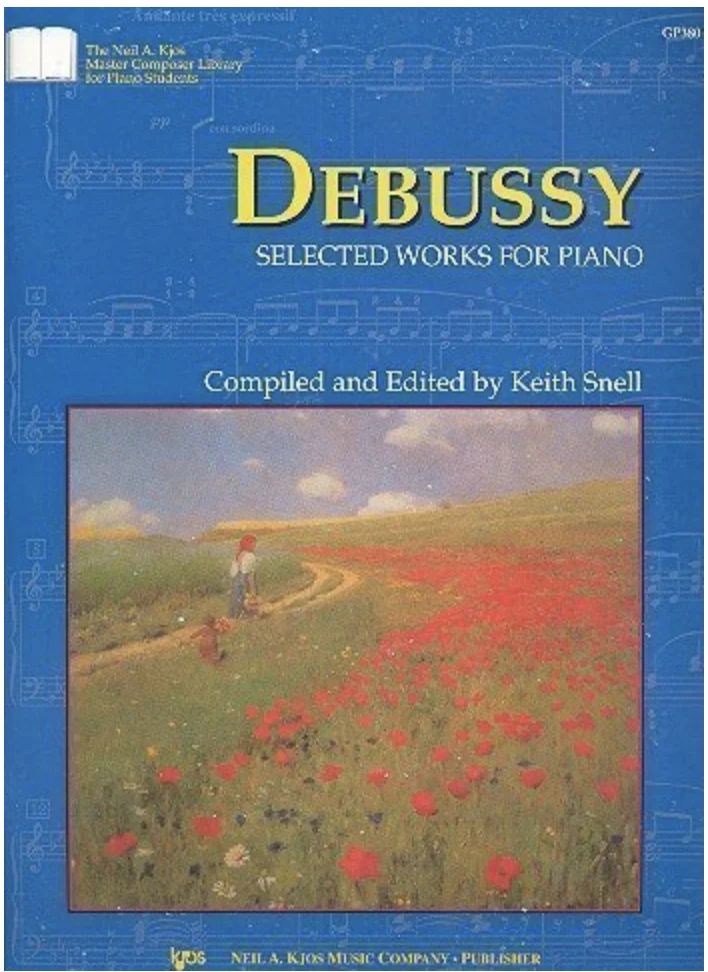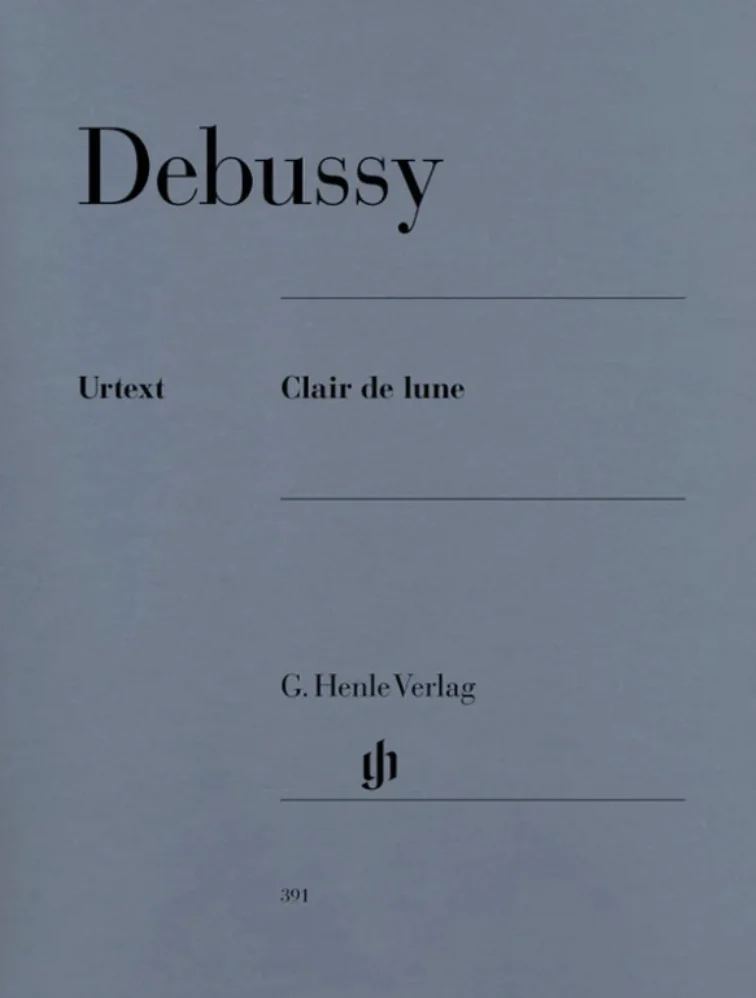
Clair de lune is probably Claude Debussy’s most famous piano piece and one of the most beloved works in the entire piano repertoire. It is the third and slow movement of the four?movement Suite bergamasque (HN 381). Although composed around 1890, the suite was not published until 1905. Debussy added the date “1890” to the […]
Clair de lune is probably Claude Debussy’s most famous piano piece and one of the most beloved works in the entire piano repertoire. It is the third and slow movement of the four?movement Suite bergamasque (HN 381).
Although composed around 1890, the suite was not published until 1905. Debussy added the date “1890” to the proofs, clearly indicating that it was an earlier work. By allowing its publication many years later, Debussy showed that he still felt a connection to this lyrical and poetic piece, even though his musical language had evolved significantly in the meantime.
While the harmony remains relatively conventional compared to Debussy’s later works, Clair de lune already reveals the tonal color, delicate textures, and expressive subtlety that would define his mature style. The piece is known for:
Inspired by Paul Verlaine’s poem of the same name, Clair de lune captures a mood of quiet reflection and moonlit serenity.
FHK teachers recommend Clair de lune because it:
Suitable for upper?intermediate to advanced pianists, this timeless masterpiece allows students to explore the expressive and atmospheric qualities of French Impressionism.