
mENU
événements



CONTACTS
(uniquement les messages écrits)
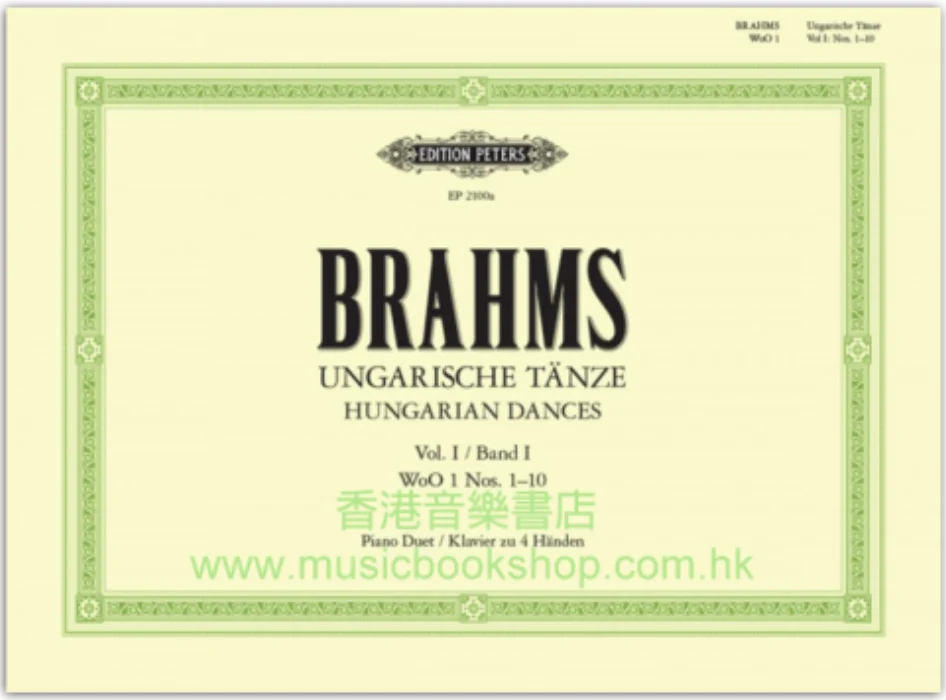
Johannes Brahms’ Hungarian Dances are among his most popular and lively works. Originally composed for piano four hands, these dances were inspired by Hungarian folk and Gypsy melodies that Brahms encountered in his youth. Full of rhythmic vitality, dramatic contrasts, and fiery character, they remain favorites for duet performance. First published in two books (1869 […]
Johannes Brahms’ Hungarian Dances are among his most popular and lively works. Originally composed for piano four hands, these dances were inspired by Hungarian folk and Gypsy melodies that Brahms encountered in his youth. Full of rhythmic vitality, dramatic contrasts, and fiery character, they remain favorites for duet performance.
First published in two books (1869 and 1880), the complete set includes 21 dances, ranging from exuberant and virtuosic to lyrical and expressive.
The Hungarian Dances feature:
Famous selections include:
FHK teachers recommend the Hungarian Dances (4 Hands) because they:
These dances are excellent for student duet partnerships, teacher?student performances, or concert programming, combining musical excitement with collaborative learning.