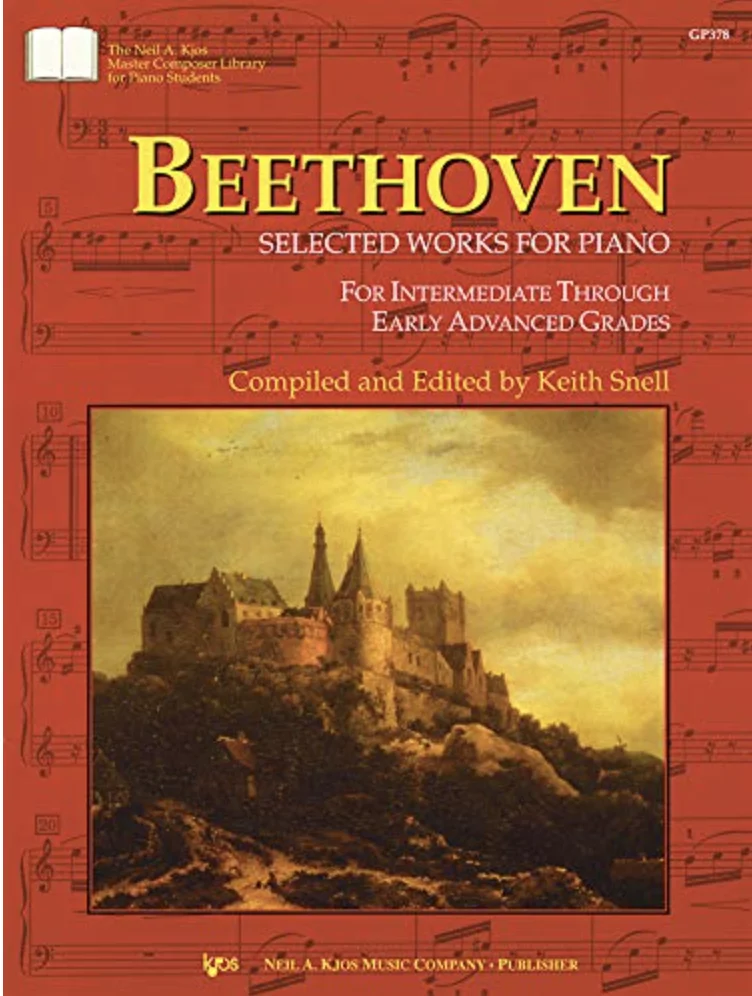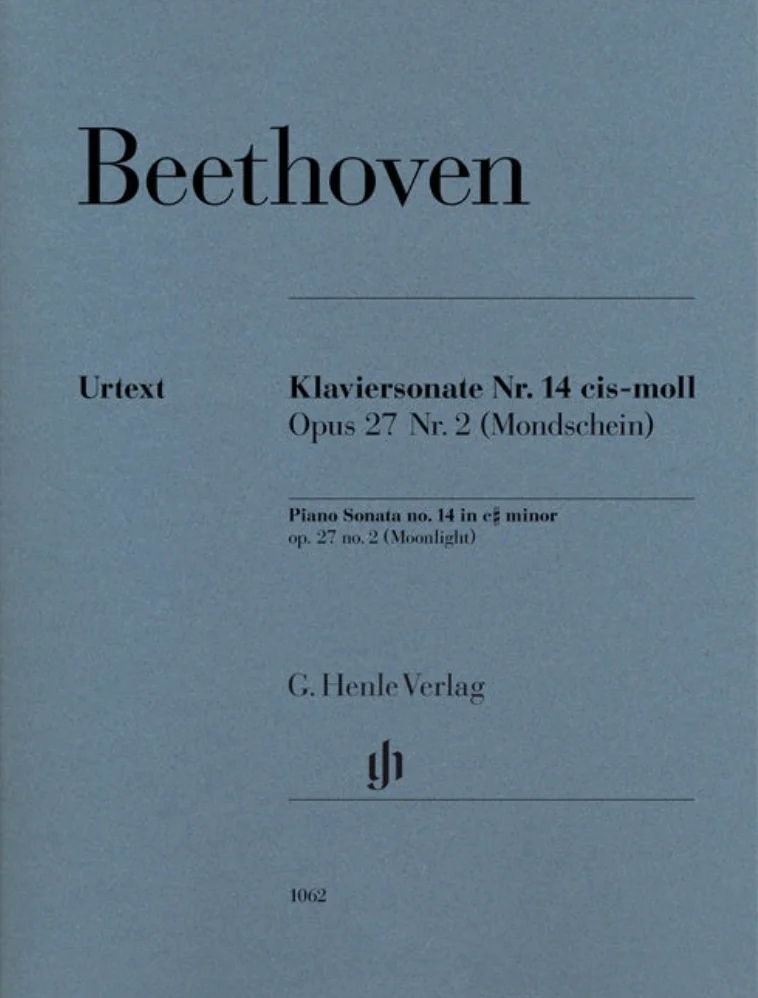
Piano Sonata No. 14 in C-sharp minor, Op. 27, No. 2 (“Moonlight” Sonata) Recommended by FHK Music Teachers Beethoven gave this work the subtitle “Sonata quasi una fantasia” (“Sonata in the manner of a fantasy”), reflecting its free and innovative structure. Yet it is universally known as the “Moonlight Sonata” — a nickname that was […]
Recommended by FHK Music Teachers
Beethoven gave this work the subtitle “Sonata quasi una fantasia” (“Sonata in the manner of a fantasy”), reflecting its free and innovative structure. Yet it is universally known as the “Moonlight Sonata” — a nickname that was already in circulation during Beethoven’s lifetime.
The poetic image most closely associated with the first movement comes from the critic Ludwig Rellstab, who in 1823 compared it to moonlight shimmering over a quiet lake. Later, Wilhelm von Lenz described it as resembling a vast grave illuminated by pale moonlight. Although Beethoven himself never used the title, the evocative atmosphere of the opening movement has forever linked the sonata with nocturnal imagery.
Recent research suggests that Beethoven may have been inspired by the sound of the Aeolian harp, an instrument that produces ethereal tones when played by the wind. In this edition, distinguished pianist Murray Perahia and scholar Norbert Gertsch explore this idea in their insightful introductory notes. Perahia has also contributed carefully considered fingerings.